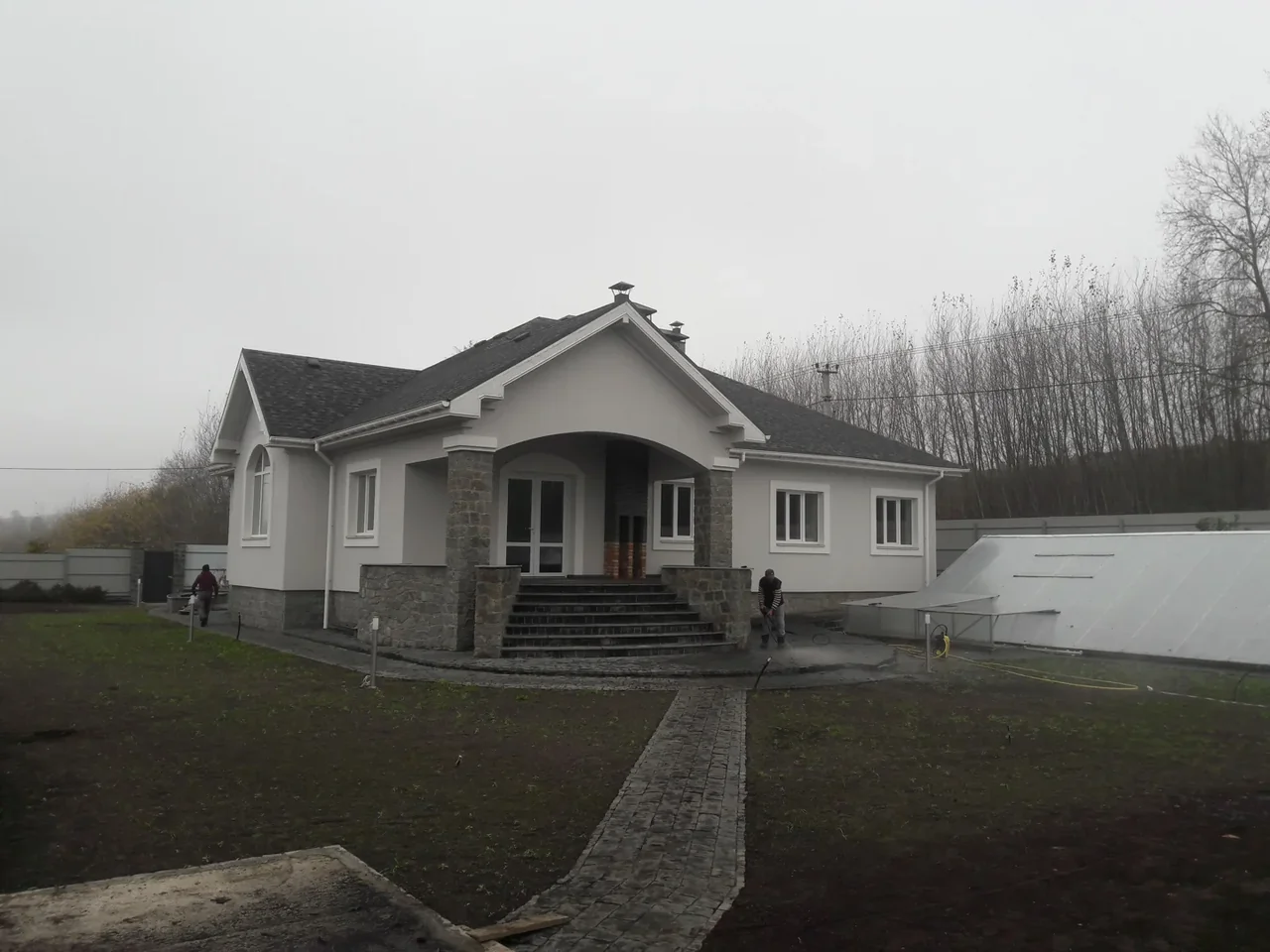
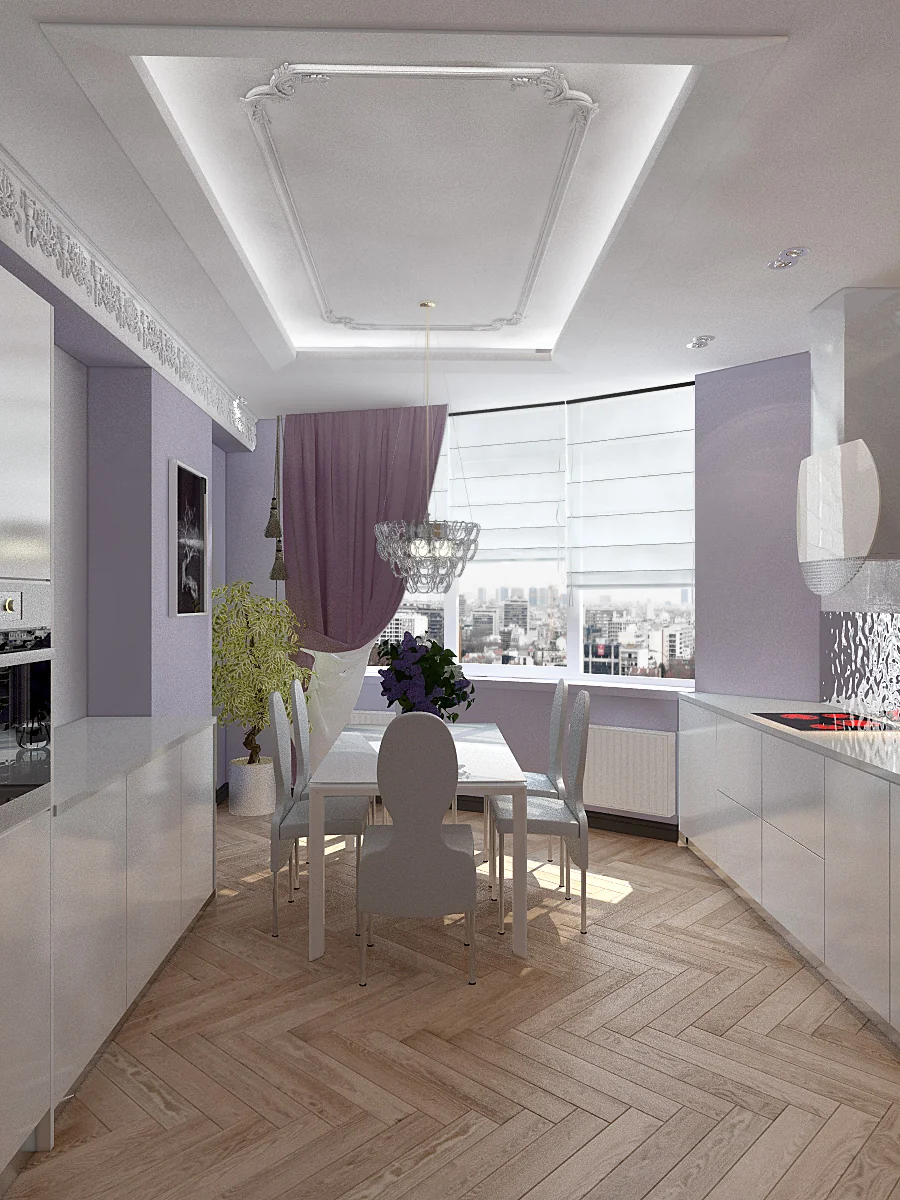
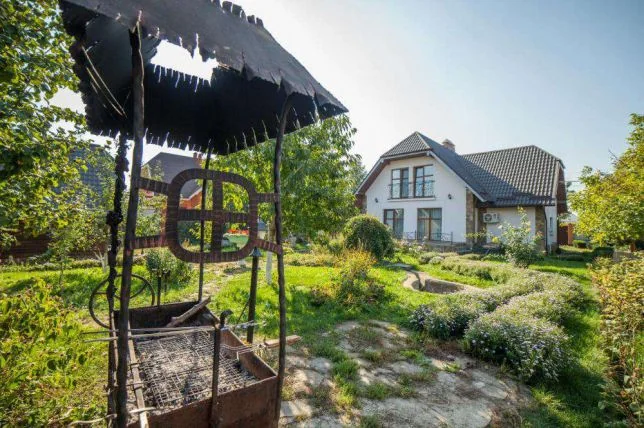
The object is seen as a system in which the decisions of one stage affect the subsequent steps.
Not every project begins with the site and not every order includes the whole cycle; the specific composition of the work is determined by the task, the underlying data and arrangements available.
01. Site and project information
For a new site, the site is studied, access to, existing networks, restrictions and available materials.
For an existing building or premises, the starting point is its actual status, measurements, documentation and expected changes.
02. Concept
We determine exactly what the result should be, how the object would be used and what limitations should be taken into account.
At this stage, it is important to separate binding decisions from wishes and to determine the real scope of the task.
03. Design
Linking design, architecture, design, and engineering solutions.
The project should answer not only the question of what the site would look like, but also the practical questions of construction, installation, maintenance and further operation.
04. Cost estimate and plan
The composition, volume, materials, equipment, step sequence and budget are determined.
The estimate is considered together with the design decisions and the actual conditions of the facility, not as an abstract price per square metre.
05. Delivery
Coordinated construction, repair or reconstruction work.
Coordinate sequence of performers, materials, related steps and intermediate acceptance.
06. Building services
Electricity, heating, ventilation, air conditioning, water supply, sanitation, networks and automation should be part of the same facility.
Therefore, it is desirable to determine engineering solutions before design and trim limit the possibility of modification.
07. Technology
Records, automation, reservation, movement control, communications and software management systems may be used for sites where warranted.
The technological layer is defined by the object ' s task, not automatically added.
08. Operation and maintenance
Work does not always end with construction.
Individual facilities require maintenance of equipment, resource accounting, digital services, interaction with users and further infrastructure development.